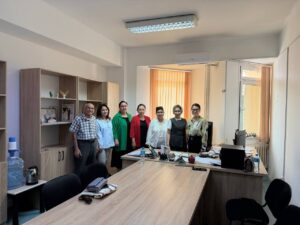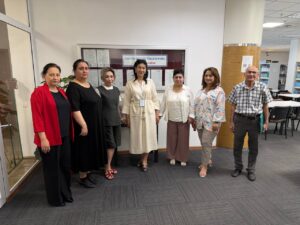
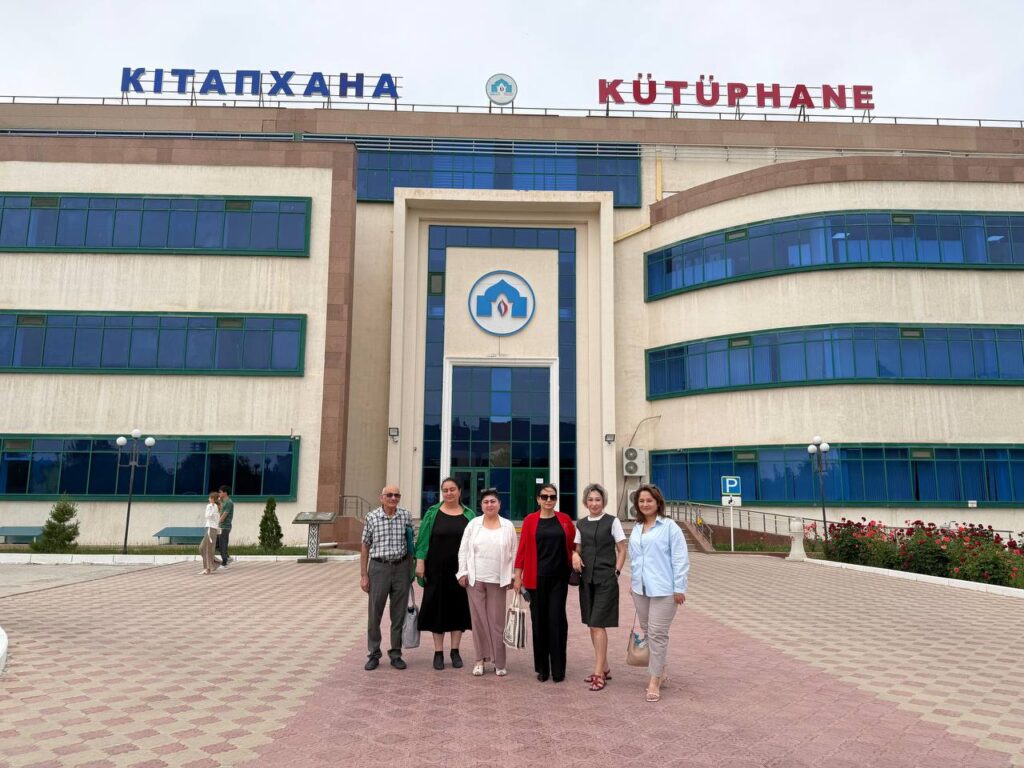
From May 4 to May 30, 2026, in accordance with Rector’s Order No. 1947 dated May 8, 2026, of Tashkent State Medical University (TSMU), Gulnara Karimovna Khudaykulova, Doctor of Medical Sciences, Professor, and Head of the Department of Public Health and Healthcare Management No. 1 at TSMU, completed an academic internship at the Department of Public Health of the Khoja Akhmet Yassawi International Kazakh-Turkish University.
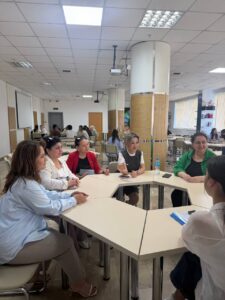
During the academic internship, the educational process of the department was thoroughly studied. The curricula of the Public Health and Healthcare Management programs were analyzed, and methodological approaches to teaching in these fields were examined, including modern pedagogical technologies, methods for assessing students’ knowledge levels, and approaches to evaluating student satisfaction with the educational process.The internship also included familiarization with the university’s key structural units, as well as meetings with the heads of departments, specialized academic units, faculty members, and undergraduate and graduate students.In addition, lectures were delivered and practical classes were conducted during the visit, contributing to the enhancement of the professional knowledge, skills, and competencies of undergraduate and graduate students.
The primary objective of this visit was to foster bilateral academic and scientific cooperation in the fields of public health and healthcare management. Particular emphasis was placed on strengthening international collaboration in education and research, expanding joint research initiatives, and promoting the exchange of advanced scientific and pedagogical practices.During the visit, discussions focused on the integration of modern sociological and other research methodologies into academic and scientific activities, the implementation of innovative educational technologies, and the enhancement of the quality of professional training for future specialists.The successful achievement of these objectives contributed to the further development of professional competencies, the expansion of academic networks and partnerships, and the establishment of a solid foundation for future collaborative research projects.